
rowing your own vegetables offers numerous benefits that extend beyond just having fresh produce at your fingertips. Firstly, it allows you to control what goes into your food, ensuring that no harmful pesticides or chemicals are used. Home gardening is also cost-effective, as the initial investment in seeds and supplies is often offset by the savings on grocery bills. Additionally, gardening can be a therapeutic activity that reduces stress and promotes physical activity. By growing your own vegetables, you contribute to a more sustainable lifestyle, reducing your carbon footprint by minimizing the need for transportation and packaging associated with store-bought produce.
Understanding the Basics of Home Gardening
Home gardening begins with understanding the essentials of plant care, including light, water, and soil requirements. Most vegetables need at least six hours of sunlight per day, so choosing a sunny spot is crucial. Watering needs vary by plant, but consistent moisture is generally important, especially for container gardening where soil can dry out quickly. Soil quality is another key factor; using a nutrient-rich potting mix can provide the necessary support for healthy plant growth. Additionally, understanding the growth cycle of each vegetable helps in planning and maintaining a productive garden.
Essential Tools and Materials for Indoor Vegetable Gardening
To start indoor vegetable gardening, you’ll need a few essential tools and materials. These include containers or pots with drainage holes, a high-quality potting mix, and seeds or seedlings of your chosen vegetables. A watering can or spray bottle is necessary for keeping the soil moist, while a trowel and gardening gloves will make planting and maintenance easier. Grow lights can be beneficial if natural sunlight is limited, and a small fan can help with air circulation to prevent mold and pests. Fertilizers and organic pest control solutions are also useful for maintaining plant health.
Choosing the Right Containers for Your Vegetables
Selecting the right containers is crucial for successful indoor gardening. Containers should have adequate drainage holes to prevent waterlogging, which can lead to root rot. The size of the container depends on the vegetable being grown; larger plants like tomatoes and cucumbers require bigger pots, while herbs and leafy greens can thrive in smaller ones. Materials like plastic, ceramic, or fabric pots are all suitable, but each has its pros and cons regarding weight, durability, and insulation. Consider using self-watering containers to simplify the watering process and ensure consistent moisture levels.
Top 10 Vegetables to Grow in Buckets and Laundry Baskets
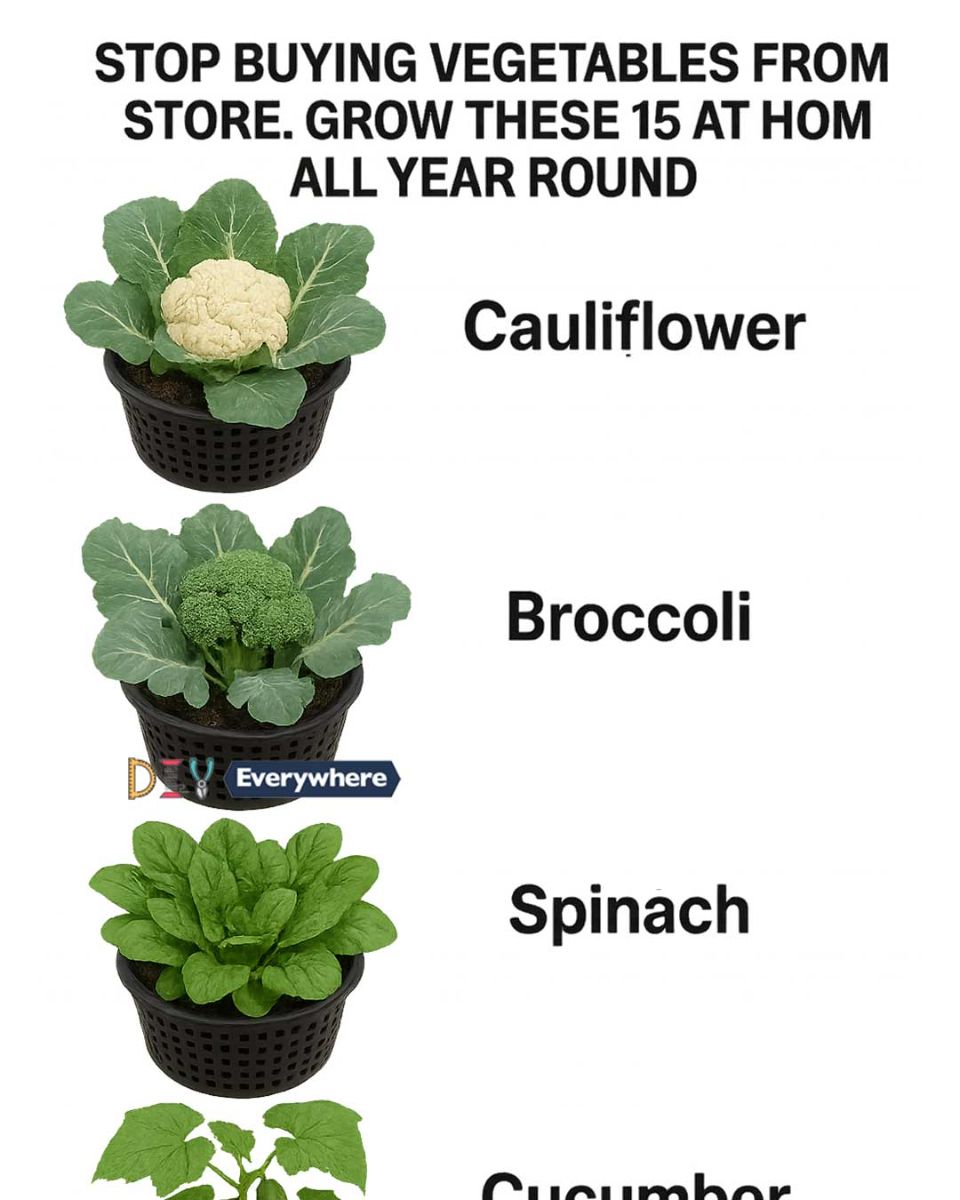
Growing vegetables in buckets and laundry baskets is a practical solution for those with limited space. These containers are affordable, portable, and can accommodate a variety of vegetables. Here are the top 10 vegetables that thrive in such setups: cauliflower, broccoli, spinach, cucumber, tomatoes, peppers, lettuce, carrots, radishes, and herbs. Each of these vegetables has specific requirements but generally benefits from the controlled environment that containers provide, making them ideal for indoor gardening.
see next page
ADVERTISEMENT
ADVERTISEMENT
