Weight Watchers Strawberry Cheesecake Jars

Here’s a fresh, inviting article for your **Weight Watchers Strawberry Cheesecake Jars** recipe — perfect for those seeking a delicious, guilt-free dessert! — ## 🍓 Weight Watchers Strawberry Cheesecake Jars — A Light & Delicious Treat! Craving a dessert that’s both indulgent and Weight Watchers-friendly? These **Strawberry Cheesecake Jars** are the perfect solution! They combine … Read more
Cheesecake Deviled Strawberries

Here’s a fun and mouthwatering article for your recipe titled **Cheesecake Deviled Strawberries** — perfect for sweet snack lovers and party hosts! — ## 🍓 Cheesecake Deviled Strawberries — A Delightfully Decadent Bite! Looking for a dessert that’s both elegant and easy to make? Meet **Cheesecake Deviled Strawberries** — the perfect fusion of fresh, juicy … Read more

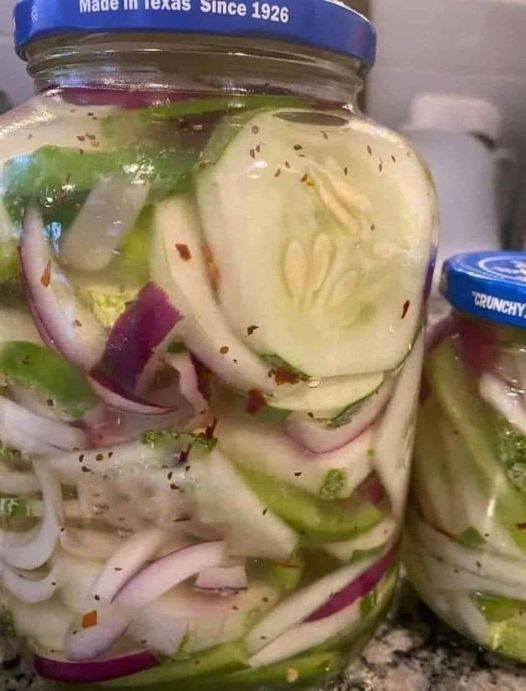
pickled cucumber

Ingredients Cucumber, Green pepper, Onion, Vinegar, Salt, Sweetener, Celery Seed, Mustard seeds How to do     For Complete Cooking STEPS Please Head On Over To Next Page Or Open button (>), and don’t forget to SHARE with your Facebook friends.

Lime Mousse Recipe

Here’s a fresh and delightful article for your **Lime Mousse Recipe** — perfect for dessert lovers craving something light and zesty! — ## 🍈 Refresh Your Dessert Game with This Easy Lime Mousse Recipe! If you’re looking for a dessert that’s both light and bursting with bright, tangy flavor, this **Lime Mousse** is a dream … Read more

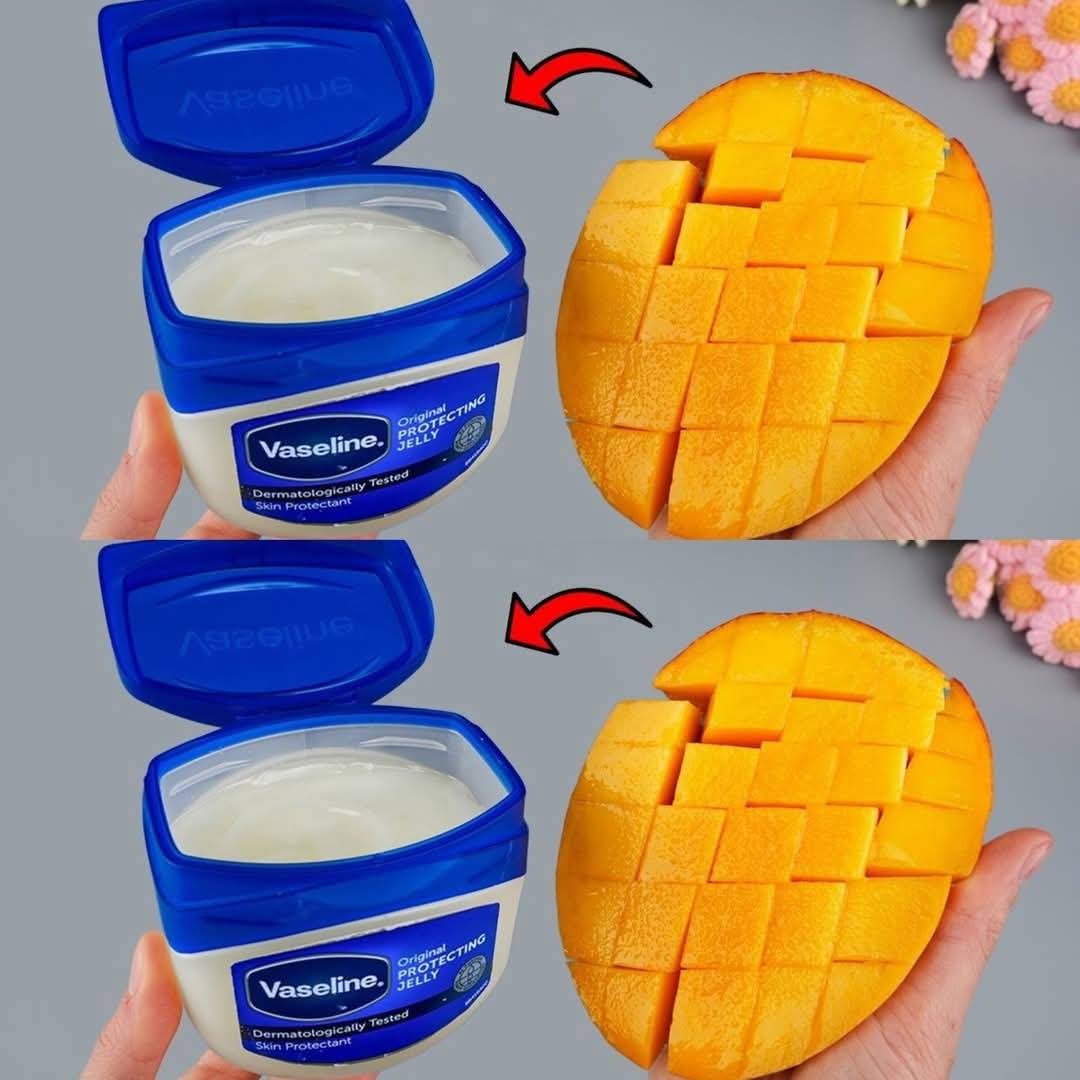
*Mix Vaseline with Mango and You Will Be Shocked: A Surprising Beauty Hack** In the world of skincare, we are always on the lookout for unique, natural remedies that can deliver amazing results. One such unexpected combination that has been gaining attention is mixing **Vaseline** with **mango**. Yes, you read that right! This unusual duo can work wonders for your skin and offer benefits that you might find truly surprising. From intense hydration to glowing skin, this mixture offers a range of beauty benefits that can leave you amazed. Let’s dive into why and how this simple yet effective combination can transform your skincare routine. ### **The Power of Vaseline** Vaseline, or petroleum jelly, has been a staple in beauty regimens for years. It’s known for its ability to lock in moisture, create a barrier against the elements, and help heal dry, cracked skin. But what makes Vaseline such a powerhouse in skincare is its incredible sealing properties. It creates a protective layer on the skin, helping to keep moisture in and environmental irritants out. **Benefits of Vaseline:** – **Deep hydration**: Vaseline is ideal for dry and chapped skin. It forms a protective layer that keeps moisture locked in for hours. – **Healing properties**: It can help soothe and heal small cuts, burns, and skin irritations. – **Prevents skin moisture loss**: Vaseline is great for keeping the skin soft and hydrated, especially in harsh weather conditions. – **Lip care**: Vaseline can be used to prevent dry, cracked lips and keep them soft and smooth. ### **Why Add Mango?** Mangoes aren’t just delicious tropical fruits; they are packed with essential vitamins and minerals that can benefit your skin. Rich in vitamins A, C, and E, mangoes are incredibly nourishing and have natural antioxidant properties that help rejuvenate the skin. Mango also contains **beta-carotene**, which gives it its vibrant color and acts as a natural moisturizer for the skin. **Benefits of Mango:** – **Rich in vitamins**: Mangoes are packed with vitamins A, C, and E, which help nourish the skin and promote collagen production, keeping your skin youthful and healthy. – **Hydration**: Mango is a natural moisturizer that hydrates and softens the skin, making it an excellent ingredient for dry or rough skin. – **Brightening**: The vitamin C in mango helps to brighten the skin and even out complexion, reducing dark spots and discoloration. – **Anti-aging**: The antioxidants in mango help combat free radicals, protecting the skin from aging and environmental damage. ### **How Mixing Vaseline and Mango Works** When you combine the moisturizing, healing properties of **Vaseline** with the nourishing, vitamin-packed goodness of **mango**, you get a powerhouse skincare concoction. The combination creates a deeply hydrating mixture that not only locks moisture into your skin but also helps to repair, soften, and rejuvenate it. Here’s how this magical blend works on your skin: – **Deep Hydration**: The Vaseline forms a barrier that locks in the moisture from the mango, ensuring that your skin stays hydrated for hours. – **Healing and Softening**: Both ingredients work together to soothe dry, cracked, or rough skin, promoting faster healing and leaving your skin feeling soft and smooth. – **Glow and Radiance**: The vitamins from the mango help brighten your skin, leaving it with a natural glow. It also promotes skin renewal and helps even out your complexion. ### **How to Make the Vaseline and Mango Mixture** Making this powerful skincare blend is easy and takes just a few minutes. Here’s how you can make your own **Vaseline and Mango moisturizer** at home: **Ingredients:** – 1 tablespoon of Vaseline (petroleum jelly) – 1 ripe mango (fresh or you can use mango puree) # **Instructions:** 1. **Prepare the Mango**: Peel the mango and remove the pit. Mash the mango flesh into a smooth puree using a fork or blender. If you’re using mango puree, ensure it’s smooth and free of lumps. 2. **Mix the Vaseline**: Take 1 tablespoon of Vaseline and place it in a small bowl. 3. **Combine**: Add the mashed mango (about 1 tablespoon) into the bowl with Vaseline. Stir until the mixture is smooth and well-combined. 4. **Application**: Gently apply the mixture to your face, hands, elbows, knees, or any area of your body that needs extra moisture. Be sure to massage it in for maximum absorption. You can also leave the mixture on overnight for an intensive moisture treatment. 5. **Store**: Store the remaining mixture in an airtight container. Keep it in a cool, dry place for future use. ### **When to Use It** – **For Dry Skin**: This mixture is ideal for dry, rough, and dehydrated skin. Apply it to areas that need extra hydration, such as elbows, knees, and hands. – **For Lip Care**: Use it as a lip balm for chapped lips. The combination of Vaseline and mango will leave your lips soft and moisturized. – **As a Face Mask**: You can apply this mixture as a face mask for deep hydration, especially during colder months or after sun exposure. – **For Glowing Skin**: For radiant, glowing skin, apply this mixture all over your body before bed. You will wake up with softer, smoother skin. ### **Benefits You’ll Notice After Using It** – **Soft, Smooth Skin**: The combination of Vaseline and mango will leave your skin feeling incredibly soft and nourished. – **Improved Skin Texture**: Dry patches, cracked heels, and rough areas will feel smoother and more hydrated. – **A Natural Glow**: The antioxidants and vitamins from the mango will give your skin a natural, healthy glow. – **Healing Power**: If you’re dealing with dry, cracked skin or minor irritations, this mixture will help speed up the healing process, leaving your skin looking and feeling better. ### **Important Notes**

*Mix Vaseline with Mango and You Will Be Shocked: A Surprising Beauty Hack** In the world of skincare, we are always on the lookout for unique, natural remedies that can deliver amazing results. One such unexpected combination that has been gaining attention is mixing **Vaseline** with **mango**. Yes, you read that right! This unusual duo … Read more

You can depend on this recipe—it’s consistently the most popular choice at gatherings.

Here’s a friendly and engaging article for your recipe titled **“You Can Depend on This Recipe — It’s Consistently the Most Popular Choice at Gatherings”** — perfect for sharing crowd-pleasers that everyone loves! — ## 🎉 You Can Depend on This Recipe — The Most Popular Choice at Every Gathering! When it comes to parties, … Read more

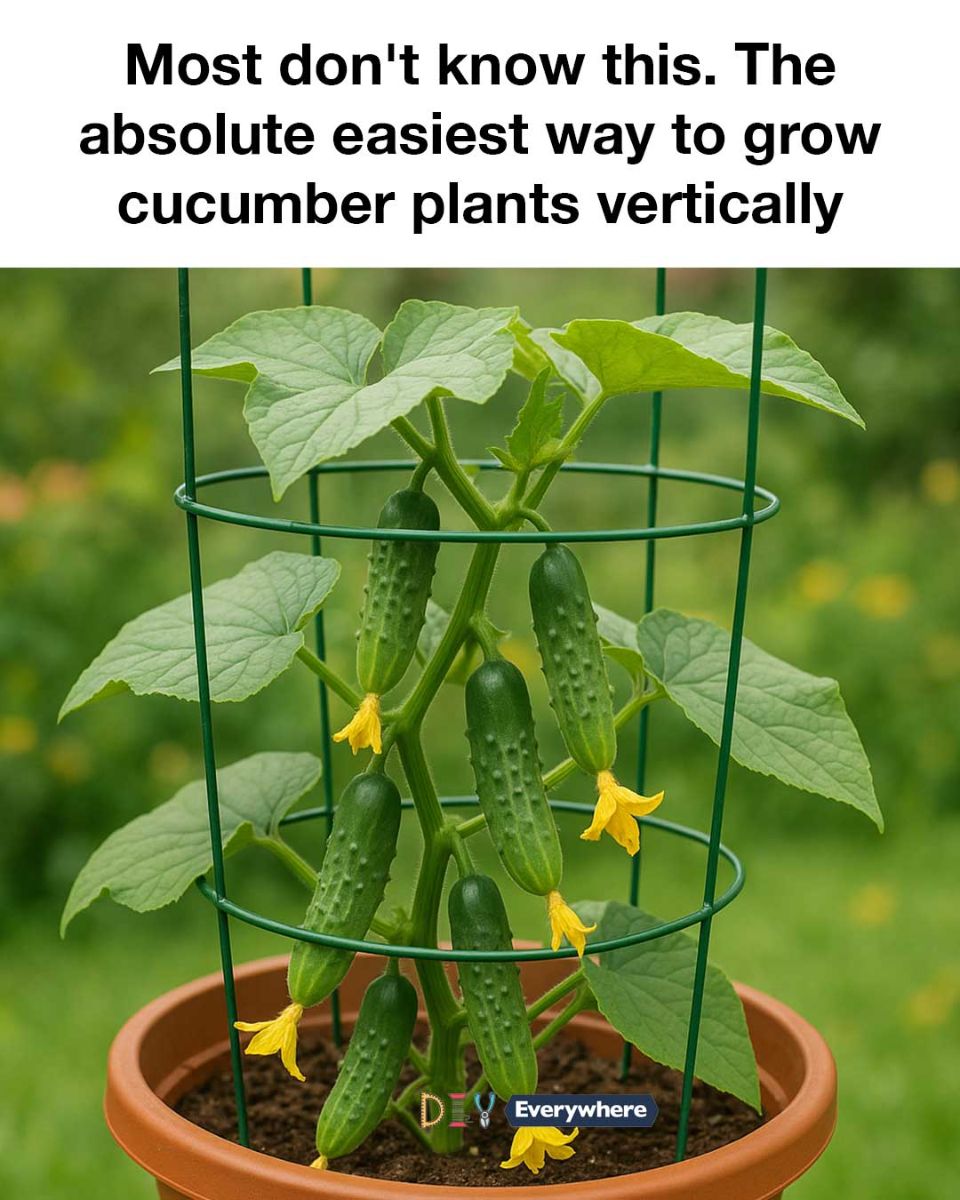
Gardening enthusiasts are always on the lookout for innovative methods to maximize their space and yield. One such method that has gained popularity is vertical gardening. This technique not only saves space but also enhances the aesthetic appeal of your garden. Among the various plants that thrive in a vertical setup, cucumbers are a favorite due to their climbing nature and prolific yield. Growing cucumbers vertically is not just about saving space; it also promotes healthier plants and easier harvesting. However, many gardeners are unaware of the simplest ways to achieve this. In this article, we will explore the easiest method to grow cucumber plants vertically, ensuring a bountiful harvest with minimal effort. Advertisement 1. Understanding Vertical Gardening Vertical gardening involves growing plants upwards rather than outwards, using structures like trellises, cages, or walls. This method is particularly beneficial for vining plants like cucumbers, which naturally seek to climb. By training cucumbers to grow vertically, you can efficiently utilize small spaces, making it ideal for urban gardening or limited backyard areas. Typically, a vertical garden for cucumbers will require a support structure that is at least 6 to 8 feet tall. This allows the vines to stretch and grow without becoming overcrowded. The vertical setup also improves air circulation around the plants, reducing the risk of fungal diseases and promoting healthier growth. 2. Benefits of Growing Cucumbers Vertically Growing cucumbers vertically offers numerous benefits. Firstly, it maximizes space, allowing gardeners to plant more in a smaller area. This is particularly advantageous for those with limited gardening space. Secondly, vertical growth improves air circulation around the plants, which helps prevent diseases such as powdery mildew. Additionally, vertical gardening makes harvesting easier and more efficient. With the fruits hanging down, they are more visible and accessible, reducing the risk of damage during picking. Furthermore, the vertical setup keeps the cucumbers off the ground, preventing rot and pest infestations. 3. Choosing the Right Cucumber Variety Not all cucumber varieties are suitable for vertical gardening. When selecting a variety, opt for vining types rather than bush types. Vining cucumbers, such as ‘Marketmore 76’ or ‘Straight Eight’, are ideal as they naturally climb and produce long vines that can be trained up a trellis. Consider the climate and growing conditions in your area as well. Some varieties are more heat-tolerant, while others may require cooler temperatures. Research the specific needs of the cucumber variety you choose to ensure it will thrive in your vertical garden setup. 4. Selecting the Ideal Location The location of your vertical cucumber garden is crucial for success. Cucumbers require full sun, so choose a spot that receives at least 6 to 8 hours of direct sunlight each day. Avoid areas with excessive shade, as this can lead to poor growth and reduced yields. Ensure the location has good drainage to prevent waterlogging, which can damage the roots. If planting in containers, use a well-draining potting mix and ensure the pots have drainage holes. The location should also be sheltered from strong winds, which can damage the vines and trellis. 5. Building a Simple Trellis A sturdy trellis is essential for supporting the weight of the cucumber vines and fruits. You can build a simple trellis using materials like wood, metal, or PVC pipes. A basic A-frame trellis can be constructed using two 6 to 8-foot tall wooden or metal stakes and some horizontal crossbars for support. For a more cost-effective option, consider using a cattle panel or wire mesh. These materials are durable and can easily support the weight of the vines. Ensure the trellis is securely anchored in the ground to withstand the weight of the plants and any wind. 6. Using Recycled Materials for Support Recycled materials can be an excellent option for building a trellis, making your vertical garden both sustainable and cost-effective. Old ladders, bed frames, or even bamboo poles can be repurposed to create a sturdy support structure for your cucumbers. When using recycled materials, ensure they are clean and free from any chemicals or residues that could harm your plants. Secure the materials together firmly to create a stable structure that can support the growing vines. 7. Planting Techniques for Vertical Growth When planting cucumbers for vertical growth, space the seeds or seedlings about 12 inches apart to allow adequate room for the vines to grow. Plant them at the base of the trellis, ensuring the roots have enough space to establish. As the plants grow, gently guide the vines onto the trellis, using soft ties or clips to secure them if necessary. Avoid tying the vines too tightly, as this can damage the plant. Regularly check the vines and adjust them as needed to ensure they continue to grow upwards. 8. Watering and Fertilization Tips Cucumbers require consistent moisture, especially when grown vertically. Water the plants deeply once or twice a week, depending on the weather and soil conditions. Ensure the soil is evenly moist but not waterlogged, as excessive moisture can lead to root rot. Fertilize the plants every 4 to 6 weeks with a balanced fertilizer to promote healthy growth and fruit production. A liquid fertilizer can be applied during watering for convenience. Be cautious not to over-fertilize, as this can lead to excessive foliage growth at the expense of fruit production. 9. Pruning for Maximum Yield Pruning is an essential practice for maximizing cucumber yield in a vertical garden. Regularly remove any yellowing or dead leaves to improve air circulation and reduce the risk of disease. Pinch off the growing tips of the vines once they reach the top of the trellis to encourage lateral growth and more fruit production. Prune any side shoots that are not producing fruit to direct the plant’s energy towards fruiting. This will result in a more abundant harvest and healthier plants overall. 10. Pest and Disease Management Common pests that affect cucumbers include aphids, cucumber beetles, and spider mites. Regularly inspect your plants for signs of infestation and use organic insecticidal soap or neem oil to control pests. Encourage beneficial insects like ladybugs and lacewings, which can help keep pest populations in check. To prevent diseases, ensure proper spacing and air circulation around the plants. Avoid overhead watering, which can promote fungal diseases. If you notice any signs of disease, such as powdery mildew or bacterial wilt, remove the affected parts immediately and treat the plants with appropriate fungicides or bactericides. 11. Harvesting and Maintenance Tips Cucumbers are typically ready to harvest 50 to 70 days after planting, depending on the variety. Harvest the fruits when they are firm and have reached the desired size, usually about 6 to 8 inches long. Regular harvesting encourages the plant to produce more fruit. Advertisement Continue to maintain your vertical garden by checking the trellis for stability and adjusting the vines as needed. Keep the area around the plants free of weeds and debris to reduce competition for nutrients and minimize the risk of pests and diseases. With proper care, your vertical cucumber garden will provide a bountiful harvest throughout the growing season.

Gardening enthusiasts are always on the lookout for innovative methods to maximize their space and yield. One such method that has gained popularity is vertical gardening. This technique not only saves space but also enhances the aesthetic appeal of your garden. Among the various plants that thrive in a vertical setup, cucumbers are a favorite … Read more

Mexican Brown Rice Bake – Gluten-Free

Here’s a vibrant and appetizing article for your recipe titled **Mexican Brown Rice Bake – Gluten-Free** — perfect for health-conscious foodies and fans of comforting, flavorful dishes! — ## 🌮 Mexican Brown Rice Bake – Gluten-Free Comfort Food with a Kick! Looking for a hearty, wholesome meal that’s bursting with bold Mexican flavors and naturally … Read more